จัดสวนบ้านอย่างไรให้มีความร่มรื่นอย่างมากที่สุด
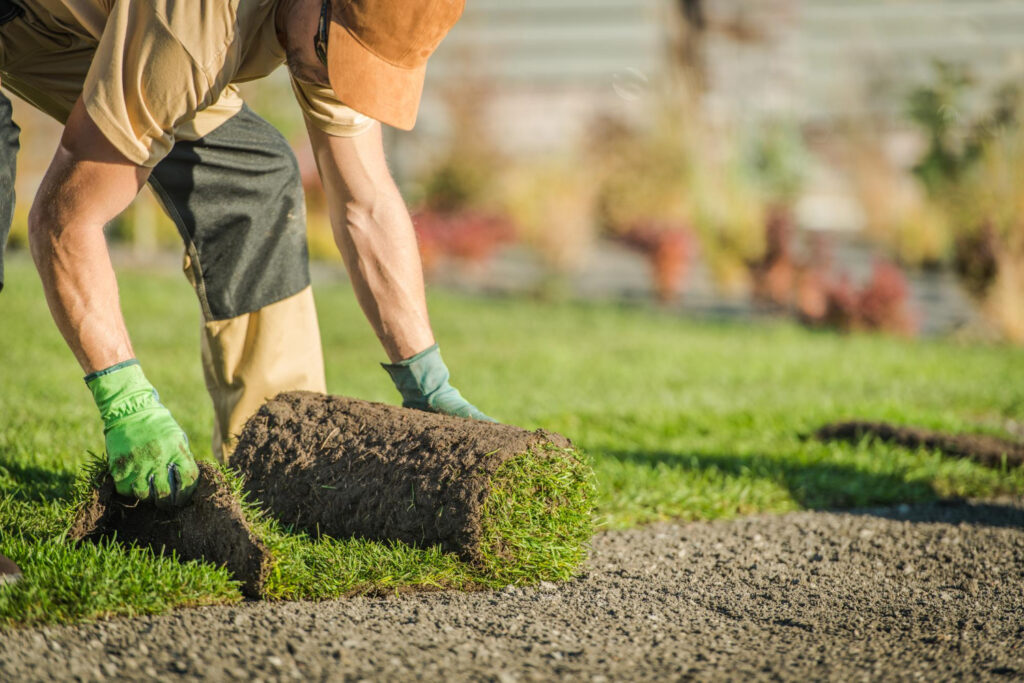
ในปัจจุบันนี้เรื่องของสวนบ้านนั้นเป็นสิ่งที่หลายๆคนก็อยากที่จะทำให้กับบ้านของตนเองด้วยกันทั้งนั้นเพราะว่าในส่วนของการจัดสวนบ้านก็เพื่อที่จะทำให้บ้านดูมีความสวยงามและมีพื้นที่ในการผ่อนคลายอีกด้วยและที่สำคัญในเรื่องของการจัดสวนบ้านนั้นก็จะช่วยทำให้เรายิ่งมีความสุขที่สุด เพราะยิ่งเราจัดสวนบ้านได้มากเท่าไหร่ก็จะส่งผลที่ดีที่จะทำให้เรานั้นได้มีสวนภายในบ้านอย่างมีความสุขที่สุดด้วยและแน่นอนว่าในเรื่องของการจัดสวนบ้านก็จะช่วยทำให้เรานั้นเป็นคนที่มีพื้นที่ส่วนตัวได้อย่างมากมายเลยและเราเองก็จึงควรที่จะต้องอย่าละเลยไปเลยจึงจะดีอย่างมากเลย การจัดสวนบ้านนั้นถ้าหากสวนบ้านเราต้องการปลูกหญ้านั้นก็ควรที่จะต้องเป็นหญ้าจริงไปเลยจะดีกว่าเพราะจะช่วยทำให้บ้านยิ่งดูสวยงามยิ่งขึ้นด้วยเรื่องนี้จึงเป็นเรื่องที่เราก็จะต้องอย่าละเลยหรือมองข้ามไปเลยอย่างน้อยหากเราไม่มองข้ามแล้วก็จะช่วยทำให้เรายิ่งมีความสุขอย่างมากมายด้วย เพราะอย่างน้อยในเรื่องของการจัดสวนบ้านนั้นจะทำให้บ้านดูเป็นระเบียบแล้วก็มีความร่มรื่นน่าอยู่และที่สำคัญก็จะช่วยไม่เป็นแหล่งชุกชุมของสัตว์ต่างๆเราก็จะได้มองเห็นถึงความผิดปกติได้อีกด้วยและเรื่องนี้จึงเป็นเรื่องที่ดีอย่างมากที่เราเองก็ควรที่จะต้องให้ความสนใจกันอย่างมากที่สุด ส่วนต้นไม้นั้นก็อย่าให้มีความเยอะจนเกินไปเราก็ควรที่จะต้องเลือกปลูกต้นไม้ในกระถางดีกว่าลงดินเพราะการปลูกในกระถางจะจำกัดการเติบโตของต้นไม้แต่ถ้าหากเราปลูกลงดินนั้นต้นไม้ก็จะยิ่งเติบโตมากขึ้นไปกว่านี้ เรื่องนี้จึงเป็นเรื่องที่เราเองก็ไม่ควรที่จะต้องละเลยไปเลยเพราะถ้าหากเราละเลยไปแล้วก็จะทำให้เราไม่มีความสุขด้วย และที่สำคัญในเรื่องของการจัดสวนบ้านนั้นก็จะช่วยทำให้เรานั้นได้มีพื้นที่และบริเวณที่ดีอีกด้วยและแน่นอนว่าในเรื่องของการจัดสวนบ้านนั้นก็จะช่วยทำให้บ้านของเรานั้นยิ่งมีความสวยงามและร่มรื่นอีกด้วยและเรื่องนี้จึงเป็นเรื่องที่ดีที่จะช่วยทำให้เรานั้นเป็นคนที่มีความสุขอย่างมากมายเลย อย่างน้อยในเรื่องสวนนั้นก็จะสิ่งที่จะช่วยทำให้เราไม่ต้องเกิดเรื่องที่หงุดหงิดหรือกังวลใจด้วยและแน่นอนว่าเราจึงควรที่จะต้องอย่าละเลยหรือมองข้ามไปเลยจึงจะดีที่สุดเพื่อสวนที่สวยงามของเรานั้นเอง